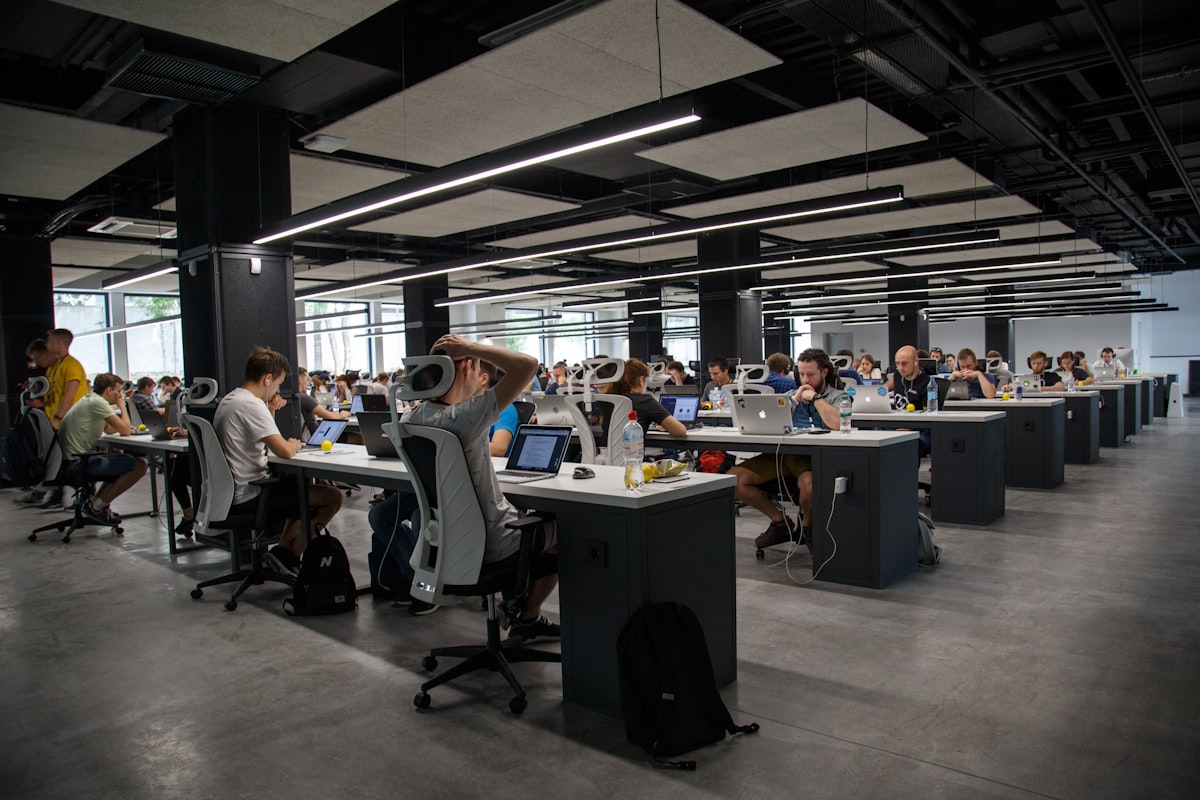
The most productive developers don’t necessarily work longer — they work when they’re at their best. Your brain’s focus, creativity, and problem-solving ability fluctuate throughout the day. True productivity comes from aligning your hardest work with your highest energy.
Technique 1: Time Blocking
Time blocking is a strategy where you divide your day into chunks, each dedicated to a single type of work. This removes decision fatigue and makes focus automatic.

Example Developer Schedule:
- 9:00 – 9:30 AM: Review tasks, emails, and sprint priorities.
- 9:30 – 12:00 PM: Deep Work Block 1 – Code new features.
- 12:00 – 1:00 PM: Lunch & recharge.
- 1:00 – 2:30 PM: Stand-ups, PR reviews, and sync meetings.
- 2:30 – 4:30 PM: Deep Work Block 2 – Refactor, test, or debug.
- 4:30 – 5:00 PM: Wrap up, plan tomorrow.
Technique 2: Maker vs. Manager Schedule
Paul Graham’s concept of the Maker vs. Manager schedule explains why meetings ruin creative flow. Makers (like developers) need long stretches of uninterrupted time, while managers thrive on short, back-to-back interactions.

Technique 3: Energy Mapping
Track your energy levels over a week. Note when you feel most alert, creative, or tired. Use that data to design your ideal daily rhythm — one that respects your biology, not your calendar.
- 💡 Peak Energy → Do complex coding, architecture decisions.
- 🌤 Mid Energy → Meetings, collaborative reviews.
- 🌙 Low Energy → Admin tasks, emails, research.
Technique 4: Deep Work vs. Shallow Work
Deep work is the ability to focus without distraction on cognitively demanding tasks. Shallow work (emails, quick chats, minor fixes) should be minimized or time-boxed.
Protect your deep work windows — even 2 hours of true flow is worth more than 8 hours of distracted effort.
Managing your energy, not your hours, transforms productivity into sustainability. You’ll accomplish more, feel less drained, and stay motivated longer.

Work with your rhythm — not against it.