🌴 Travel & Tech
🇱🇰 Sri Lanka
⏱ 12 min read
Burnout is not a willpower problem. It is an input problem. Developers burn out when they stop receiving new stimuli — same desk, same problems, same mental patterns. Travel is not an escape from your career. It is the most direct upgrade you can give it. Here are the exact reasons why.
💡 Bottom line: Travel is not time away from your work as a developer. It is investment in the primary tool of your work — your mind. Sri Lanka offers one of the best value-for-cost combinations for this investment anywhere in Asia.

Creativity in software development is about seeing problems from angles others miss. The ability to look at a user complaint and immediately understand five different ways it could be solved. This lateral thinking is trained by — and depends on — exposure to diverse inputs.
When you enter a new environment, your brain enters a state of heightened neuroplasticity. The hippocampus — the brain's centre for memory, spatial reasoning, and new concept formation — becomes more active. Neural pathways that have calcified through routine are challenged and reformed. In plain terms: your brain literally works differently in a new place, and that difference produces better ideas.
A developer who spent a week in Ella, Sri Lanka, hiking through tea plantations and watching trains cross the Nine Arches Bridge, will return to their IDE with a fundamentally refreshed capacity for systems thinking. The natural world, with its complex interdependencies, parallels the distributed systems that modern developers build every day.
Travel puts you in physical spaces with people from entirely different professional and cultural backgrounds. The developer who spends a Saturday at a co-working space in Colombo might sit next to a supply chain entrepreneur from Germany, a mobile money startup founder from Kenya, and a UI designer from Singapore. The conversation over lunch could contain the seed of your next product idea, or a solution to a bug that's been haunting you for weeks.
This serendipitous intellectual cross-pollination is simply not possible inside a Slack channel or Discord server. It requires physical presence in shared spaces — which is the essence of travel.
The best software is built by people who deeply understand the problems of their users. And the most universal truth about user problems is that they look completely different depending on where you stand. A developer who has only ever lived in one city will inevitably design products with those assumptions baked in — often invisibly.
When you travel to rural Sri Lanka, you quickly discover that internet speeds fluctuate dramatically. A feature you designed to load a 4MB JavaScript bundle feels perfectly reasonable on your 500Mbps fibre connection — but becomes unusable for a user on 3G in Matara. Travel teaches you to design for constraints. It builds empathy for the full spectrum of your users, not just the ones who share your infrastructure.
In 2026, software development is almost universally a global, distributed endeavour. Sri Lankan developers frequently work with teams in the United States, Germany, Australia, and Singapore. The developer who has travelled — who has navigated airports in Tokyo, negotiated prices in Colombo markets, navigated cultural etiquette in Kandy temples — has a level of cultural intelligence that makes them measurably better at communicating with global clients and distributed teams.
Cultural intelligence is not soft skill nonsense. It is the difference between a project delivered smoothly across time zones and one that collapses due to miscommunication. Developers who have it command higher rates, lead better teams, and build products that serve broader audiences.
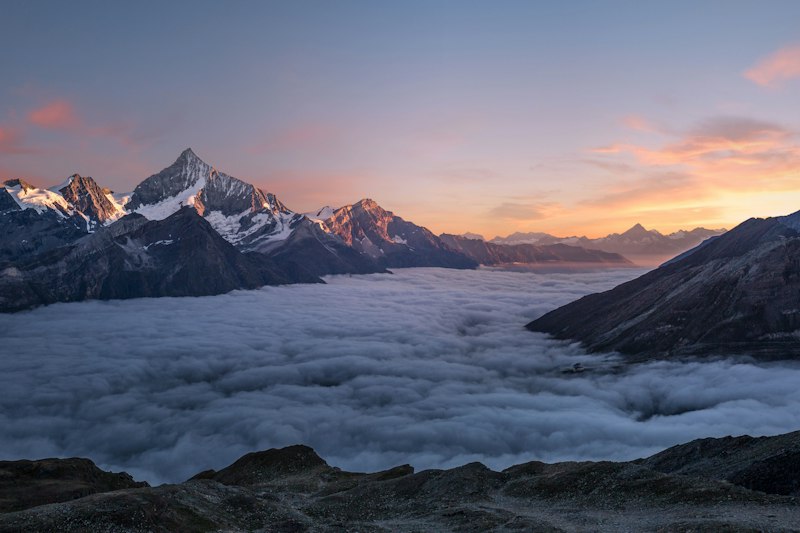
Sri Lanka is one of those places that defies its own size. In a country roughly the size of Ireland, you have ancient civilisations, tropical beaches, misty mountain ranges, colonial architecture, world-class tea, leopards in the wild, and one of Asia's most underrated food cultures — all connected by a functioning rail network and an improving road system.
For a software developer, Sri Lanka offers a combination that is genuinely rare: low cost of living, reliable urban internet, extreme natural beauty, cultural depth, and English-speaking tech communities.
Colombo and Galle are excellent for remote work. Fibre broadband is available in most modern apartments and co-working spaces in Colombo, with speeds from 25–200Mbps. Dialog and Mobitel offer reliable 4G LTE across most of the island, with 5G now available in central Colombo. Rural areas like Ella will test your patience more — but with a good mobile hotspot and offline work preparation, even these areas are manageable for a week.
🌿 Developer's Note: Download your documentation, set up offline Git workflows, and queue your large dependencies before heading into hill country. The focus and clarity you gain is worth far more than upload speed.
A comfortable private room in Colombo costs $20–40/night. A full meal at a local restaurant runs $1–3. Co-working day passes range from $8–20. For a developer earning a USD salary, Sri Lanka offers a quality of life that would cost 5× more in Singapore or Bangkok. Explore all Sri Lanka destinations at EgoTECH Travel →
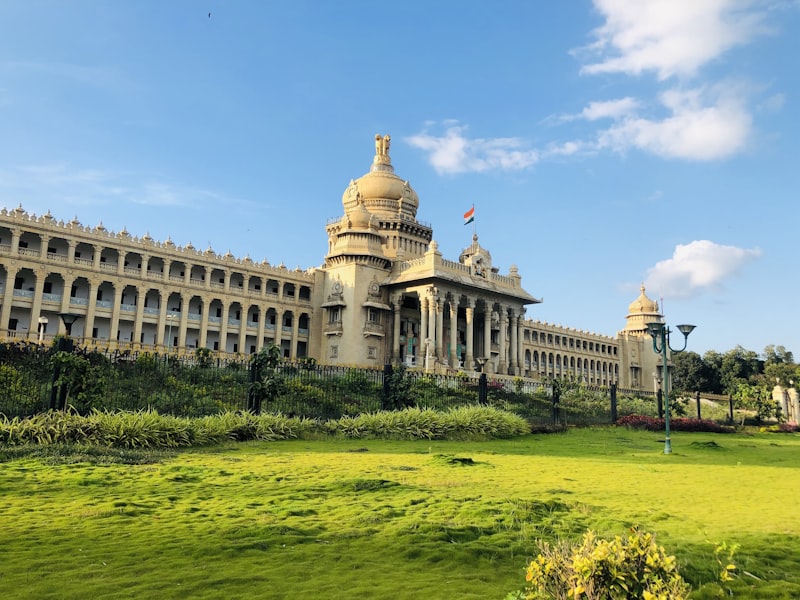
Colombo is where Sri Lanka's technology industry lives. The business districts — particularly Colombo 1 (Fort), Colombo 3 (Kollupitiya), and Colombo 7 — host dozens of tech companies, software agencies, and IT service providers. For a visiting developer, Colombo offers a rare combination: a real tech ecosystem you can plug into immediately, alongside all the sensory stimulation of a bustling South Asian metropolis.
Companies like WSO2, IFS, Rootcode Labs, and hundreds of smaller software agencies operate from the city, many working on global products. Developer meetups, hackathons, and tech talks happen regularly — and they are genuinely welcoming to visiting professionals.

If Colombo is where Sri Lankan tech lives, Galle is where the world comes to work. The Galle Fort area — a UNESCO World Heritage site on Sri Lanka's southern coast — has emerged as the island's most popular base for international digital nomads. Colonial-era architecture, ocean views, boutique cafes, and steady WiFi infrastructure make it genuinely one of Asia's finest working-travel destinations.
Kandy, Sri Lanka's cultural capital, sits in a natural bowl surrounded by mountains at 500 metres above sea level. The cooler climate — significantly more comfortable than Colombo's coastal heat — makes it a natural choice for developers who want to combine productivity with cultural immersion.
The sacred Temple of the Sacred Tooth Relic sits on the edge of Kandy Lake. The evening ceremony is one of Sri Lanka's most atmospheric cultural experiences. For a developer who spends most of their professional life in digital abstraction, standing inside a 16th century temple complex while ceremonial drummers perform is a genuinely perspective-shifting experience.
The Royal Botanic Gardens at Peradeniya — 147 acres of curated plant life — offer one of Asia's finest outdoor environments for a long thinking walk.

No experience in Sri Lanka recontextualises a developer's understanding of "complex systems" quite like standing at the summit of Sigiriya Rock Fortress. Built in the 5th century AD, this 200-metre high rock citadel was the capital of Sri Lanka for 18 years — complete with a palace complex, water gardens with hydraulic pressure systems, and frescoes that have survived 1,500 years of tropical humidity.
The water gardens of Sigiriya — an elaborate system of fountains, channels, and cisterns that still function today — were engineered without computers, without CAD software, without modern material science. Standing in front of a 1,500-year-old pressure fountain that still works flawlessly is a humbling reminder that engineering excellence is a product of clear thinking, not modern tooling.
Anuradhapura, dating back to the 4th century BC, extends this lesson on a civilisational scale. The city's construction projects involved tens of thousands of workers over decades — managed without email, without project management software, without version control. For any developer who has complained about a project that's "too complex," a day in Anuradhapura provides useful perspective.

The hill country of Sri Lanka — stretching from Nuwara Eliya through Ella to Haputale — is one of the most breathtaking landscapes in Asia. Tea plantations cascade down mountain slopes. Waterfalls appear without warning around road bends. The air at 1,200–1,800 metres is cool enough for a light jacket even in Sri Lanka's warm season.
Ella's famous Nine Arches Bridge, framed by jungle and often crossed by a blue train pulling tea carriages, has become one of Sri Lanka's most photographed locations. But for a developer visitor, the real appeal is the stillness. The town has remained small, with a single main street. The pace of life is gentle in a way that city-dwelling developers rarely experience — and that gentleness creates the mental conditions in which good architecture decisions are made.
Internet in Ella is mobile-dependent — Dialog and Mobitel 4G LTE reach the main town reliably. For deep work requiring heavy data transfer, download your dependencies in Colombo first. But for the focused thinking that produces clean code design and elegant database schemas, Ella is genuinely unmatched.
Nuwara Eliya, 50km northwest, is cooler still (daily temperatures of 15–20°C year-round), with a British colonial hill station aesthetic. Its quiet guesthouses create an atmospheric environment for serious coding sessions.

"I spent three months based in Galle working for a Berlin fintech startup. I hiked, surfed, read more books than I had in five years, and wrote what my tech lead called the cleanest API I had ever shipped. Sri Lanka gave me space to think."
"I grew up in Colombo and never visited Ella until last year. I returned and solved a database design problem I had been stuck on for two weeks. Sometimes the answer comes when you stop looking at the screen."
"Sigiriya absolutely blew my mind — a palace on top of a rock, built in the 5th century, with working water features. I spent the whole train ride back redesigning my app's architecture. Ancient engineering frees your modern thinking."
The argument for developer travel is not sentimental. It is practical and evidence-backed. Travel resets the neural pathways that burnout wears down. It exposes developers to problems they would never encounter from their home desk. It builds the cultural intelligence that makes distributed teams function. And it creates the mental space in which genuinely creative solutions emerge — solutions that no Stack Overflow thread or AI assistant can produce on demand.
Sri Lanka is a country with a 2,500-year recorded history of engineering, governance, irrigation, and art — offering profound perspective to modern technology builders. It has a growing tech industry, a welcoming culture, and infrastructure that increasingly supports modern remote workers.
Whether you're a Sri Lankan developer exploring your own island with fresh eyes, or an international remote worker choosing your next base — start planning at EgoTECH Travel → Your best code is waiting on the other side of your next journey. 🌴